

If you're living with arthritis, you know it's all about finding smart, sustainable ways to manage the pain so you can keep doing what you love. The best approach for natural pain relief for arthritis isn't about a single magic bullet. It’s about building a holistic strategy that combines movement, what you eat, and targeted relief when you need it most. This way, you’re in the driver's seat, actively managing your symptoms for better long-term joint health.
Building Your Foundation for Arthritis Management
Getting lasting relief from arthritis pain is less about finding one cure and more about building a strong foundation of daily habits. It’s a journey, really—making small, consistent changes that eventually add up to a big difference. This means getting to know your body and using a mix of strategies to support your joints, calm inflammation, and keep discomfort from running your life.
The aim isn't to make every ache disappear overnight. It's about creating a resilient system that keeps flare-ups to a minimum and just generally improves your quality of life. Shifting to this proactive mindset means you stop reacting to pain and start actively managing your joint health, every single day.
A Holistic and Integrated Strategy
A plan that actually works for natural arthritis relief has to acknowledge that pain is complex. It’s not just about what's happening in the joint; your diet, stress levels, how much you move, and even your mental state all play a role. It’s a fascinating connection—you can learn more about it by exploring how pain is processed by the brain. An integrated approach understands these connections and uses multiple tools from your toolkit.
In the real world, this might look like:
- Starting your morning with some gentle stretches to work out the stiffness.
- Applying a topical pain reliever before a walk to keep your knees happy.
- Making a conscious effort to choose anti-inflammatory foods at mealtime.
- Prioritising a good night's sleep so your body has a real chance to recover.
Why This Approach Is Gaining Momentum
More and more people are looking for non-drug solutions for chronic conditions, and for good reason. In Canada, arthritis is incredibly common, and thankfully, more people are managing it with non-prescription and non-opioid strategies. National surveillance data showed that by 2016, over 6 million Canadians were living with arthritis. That figure is expected to climb to about 24% of the population by 2040. This reality is what's driving the demand for accessible, natural options like exercise, self-management programs, and topical relief. You can dig into the full findings on arthritis prevalence and management in Canada.
The most powerful tool you have is knowledge. Understanding the 'why' behind each strategy—why movement helps, why certain foods might hurt, and why targeted relief works—empowers you to make smarter decisions for your own health.
That's what this guide is all about. We’re going to move past the generic advice and give you practical, evidence-informed actions you can actually take. By combining these methods, you'll create a personal toolkit for managing your arthritis, allowing you to take back control and figure out what truly works for your body. This is about building a sustainable plan for long-term well-being and mobility.
Movement as Medicine for Joint Health
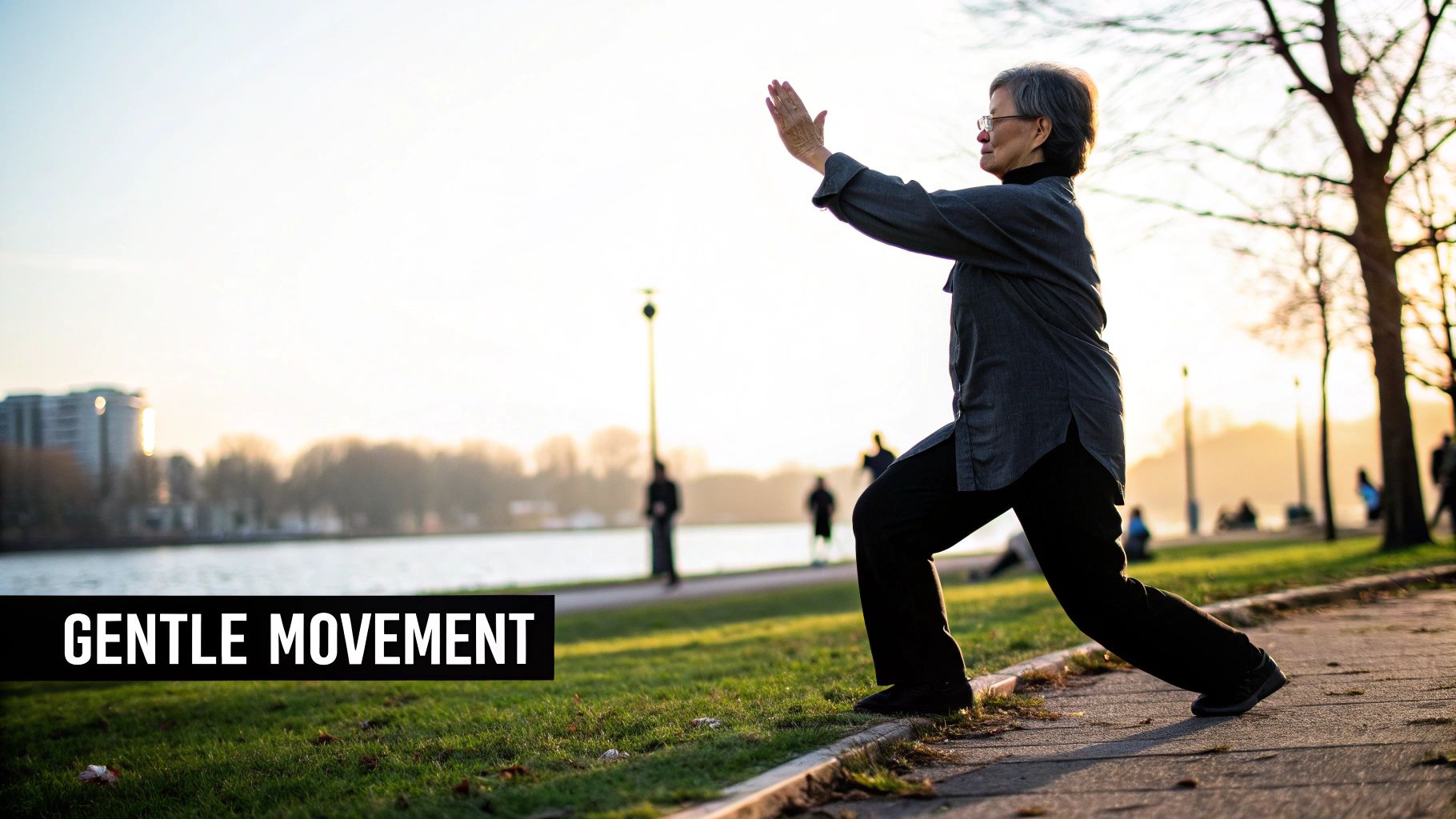
When your joints are stiff and aching, the very last thing you probably feel like doing is getting up and moving. It’s a completely understandable reaction, but here's the paradox: the right kind of movement is one of the most powerful, evidence-backed ways to manage arthritis pain.
Think of it as oiling a rusty hinge. Gentle activity stimulates the production of synovial fluid, which is your body’s natural joint lubricant. At the same time, it strengthens the muscles surrounding those joints, turning them into powerful, shock-absorbing supports that take the pressure off. The result? Less pain, better stability, and a greater range of comfortable motion.
Choosing Your Best Low-Impact Activities
The secret to exercising with arthritis is to be kind to your joints. You don't need to pound the pavement to get a good workout. In fact, high-impact exercises can often make things worse. Instead, the focus should be on activities that build strength and get your heart pumping without jarring sensitive joints.
Here are a few activities that consistently get top marks for being joint-friendly:
- Swimming and Water Aerobics: The buoyancy of water is a game-changer. It supports your body weight, taking nearly all the pressure off your joints while still providing enough resistance to strengthen your muscles.
- Cycling: Whether you're on a stationary bike or cruising down a smooth, flat path, cycling is brilliant for cardiovascular health and building leg strength with minimal impact.
- Tai Chi and Yoga: These aren't just for relaxation. The slow, deliberate movements are fantastic for improving your balance, flexibility, and strength. Plus, they're proven to help lower stress, which is a major trigger for inflammatory flare-ups.
To get the most out of your efforts, a well-rounded plan is key. Beyond cardio, it's incredibly helpful to focus on building muscular support. Learning about safe and effective methods for incorporating strength training can make a huge difference in protecting your joints and improving your day-to-day function.
This quick table breaks down some great low-impact choices to help you find what works best for you.
Table: Low-Impact Exercises for Arthritis Relief
| Activity | Primary Benefit | Getting Started Tip |
|---|---|---|
| Walking | Improves circulation and bone density; highly accessible. | Start with 10-minute walks on flat, even surfaces and wear supportive footwear. |
| Water Aerobics | Reduces joint stress with water's buoyancy while building strength. | Join a beginner's class at a local community centre pool to learn the proper forms. |
| Cycling (Stationary) | Builds leg strength and cardiovascular endurance with zero impact. | Adjust the seat height so your knee is slightly bent at the bottom of the pedal stroke. |
| Tai Chi | Enhances balance, flexibility, and mind-body connection to reduce stress and pain. | Look for a certified instructor who has experience working with people with arthritis. |
| Yoga (Gentle/Hatha) | Increases flexibility, strengthens supporting muscles, and promotes relaxation. | Choose a beginner or "gentle" yoga class and use props like blocks and blankets. |
No matter which activity you choose, the goal is consistency, not intensity. Listening to your body is always the most important part of the equation.
The Critical Role of Weight Management
This is a big one, especially for arthritis in weight-bearing joints like the hips and knees. It's simple physics: extra body weight puts extra force on your joints. But the numbers might surprise you. For every one pound of weight you lose, you relieve about four pounds of pressure from your knees.
This doesn't mean you need to sign up for a punishing diet. Small, sustainable changes are what create lasting results. Swapping one sugary drink for a glass of water, adding a handful of greens to your dinner, or choosing whole grains over refined ones all add up. These shifts not only help with weight but can also help lower your body's overall inflammation levels.
Remember, the goal is progress, not perfection. Start with a five-minute walk. Swap one sugary drink for water. These small victories build momentum and create lasting habits for better joint health.
The Connection Between Sleep, Stress, and Pain
Pain, sleep, and stress are locked in a frustrating cycle. Pain makes it hard to sleep. A lack of sleep makes you more sensitive to pain and can even increase inflammation. And to top it off, chronic stress pours fuel on the inflammatory fire.
Breaking this cycle is essential. Managing stress and prioritizing sleep aren't just "nice-to-haves"; they are fundamental parts of any effective pain management plan.
Here are a few simple things you can try:
- Set a Sleep Schedule: Going to bed and waking up around the same time every day—even on weekends—helps regulate your body's internal clock.
- Create a Wind-Down Routine: An hour before bed, turn off the screens. Read a book, take a warm bath, or listen to some calming music to signal to your body that it's time to rest.
- Practice Mindfulness: You don't have to meditate for an hour. Just a few minutes of focused, deep breathing can lower stress hormones and change the way your brain processes pain signals.
The power of these lifestyle strategies becomes even clearer when you look at conditions like rheumatoid arthritis, an inflammatory disease that highlights why a holistic approach is so crucial. Federal data from 2016–2017 estimated that about 374,000 Canadians were living with a diagnosis. You can read more about the impact of rheumatoid arthritis in Canada.
And if you're coming back from a specific injury, it's even more important to be careful as you reintroduce activity. For specific guidance on this, our article on how to start working out after a knee injury offers a safe, structured approach to rebuilding strength without risking a setback.
Using Topical Relief for Targeted Pain Control
When you’re dealing with a specific sore spot—a stiff knee, an aching wrist, or a throbbing shoulder—sometimes you need relief delivered directly to the source. This is where topical analgesics shine.
They offer a powerful way to manage discomfort right where it hurts, without the systemic effects that can come with oral medications. Instead of waiting for a pill to work its way through your system, a topical treatment gets straight to work on the area you apply it to. This targeted approach is a key part of modern natural pain relief for arthritis, giving you control over where and when you get relief.
How Do Topical Pain Relievers Work?
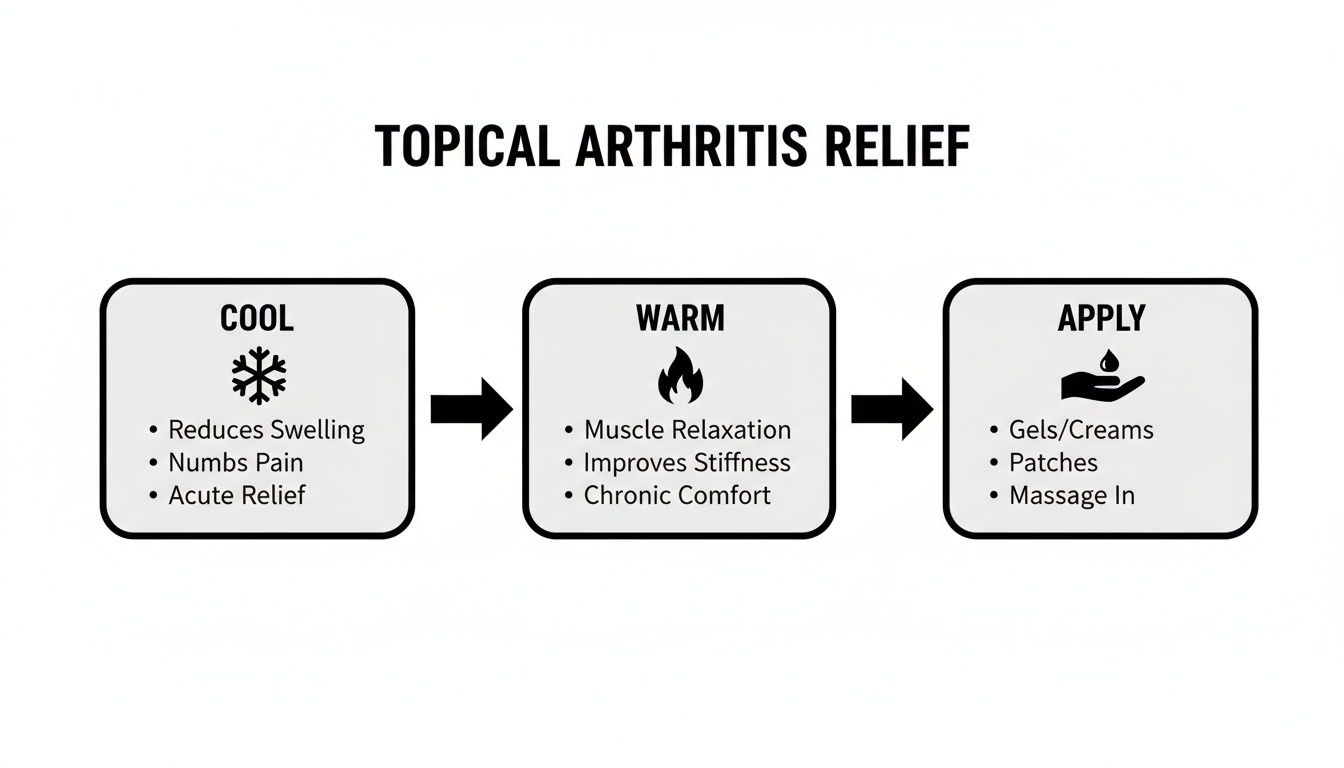
Topical products work through a clever process called counter-irritation. Ingredients like menthol, camphor, and methyl salicylate create a cooling or warming sensation on your skin. This new feeling sends signals to your brain that compete with the pain signals coming from your arthritic joint.
Think of it like this: your brain can only focus on so much at once. When you introduce a strong cooling or warming feeling, you’re effectively distracting it from the underlying ache. It’s a bit like rubbing a bumped elbow—the new sensation of pressure and friction helps override the initial sharp pain.
This is often explained by Gate Control Theory, and it’s why topicals can provide such fast and noticeable relief for joint and muscle soreness.
Choosing Between Hot and Cold Therapy
Deciding whether to reach for a warming or cooling product isn't just about what feels better; it’s about matching the therapy to the type of pain you're experiencing. Each has a specific job to do.
Cooling Relief for Acute Flare-Ups
When a joint is red, swollen, and actively inflamed, a cooling product is your best friend.
- What it does: The cooling sensation, often from menthol, causes blood vessels to constrict. This helps dial down the blood flow to the area, which in turn can calm down inflammation and swelling.
- When to use it: Perfect for an acute flare-up or after an activity that’s left your joint feeling hot and irritated. The numbing effect provides quick comfort.
Warming Relief for Chronic Stiffness
For that deep, persistent ache and the morning stiffness that makes it hard to get going, heat is the answer.
- What it does: Warming ingredients like camphor and methyl salicylate increase blood flow. This helps relax tight muscles around the joint and boosts circulation, easing that chronic stiffness.
- When to use it: Try it before activity to loosen up stiff joints or first thing in the morning to get moving more comfortably.
A great strategy many people use is applying a warming product in the morning to fight stiffness, then switching to a cooling one in the evening or after exercise to soothe any inflammation that’s built up during the day.
Practical Tips for Effective Application
Getting the most out of your topical pain reliever involves more than just a quick rub. A few simple techniques can really boost its effectiveness and make sure you’re using it safely.
- Apply to Clean, Dry Skin: Make sure the area is free from any other lotions or oils. For an extra boost, apply your topical after a warm shower when your pores are open and more receptive.
- Use the Right Amount: You don’t need to slather it on. A thin, even layer is usually all it takes. For sprays or roll-ons, two or three passes over the area is a good place to start.
- Massage It In Gently: Don't just wipe it on and go. Take a moment to gently massage the product into your skin until it's mostly absorbed. This simple step helps stimulate blood flow and ensures the active ingredients get where they need to go.
- Wash Your Hands Thoroughly: This is a big one! The active ingredients can be very irritating if they get in your eyes, nose, or mouth. Always wash your hands with soap and water right after you're done.
This kind of hands-on, targeted approach is becoming more and more popular. Canadian data shows that many people with arthritis are adopting a “natural first” mindset, favouring non-opioid and topical strategies. Surveys reveal that a majority—often over 70%—of Canadians with inflammatory arthritis use therapies like heat, cold, and topicals alongside their medications. You can read more about how Canadians are managing arthritis to understand this trend.
Knowing how different application methods stack up is also helpful. To learn more, check out our guide on the benefits of a topical pain reliever versus an oral one. Integrating these tools into your daily routine offers a safe and effective way to manage pain exactly where it hurts, helping you stay active and feel more in control.
The Anti-Inflammatory Diet and Key Supplements
What you eat is so much more than just fuel for your body. Food acts like information, sending signals that can either calm down or flare up inflammation. Making smart dietary choices is a cornerstone of natural pain relief for arthritis, giving you a direct way to influence your daily pain and stiffness.
This isn't about a super-restrictive diet or saying goodbye to all your favourite foods. Think of it as a positive shift—focusing on adding more vibrant, nutrient-dense foods that actively fight inflammation. By crowding out the inflammatory triggers with healthier options, you can make a huge difference in how you feel without feeling deprived.
Building Your Anti-Inflammatory Plate
The whole idea is pretty simple: eat more real, whole foods. These are foods that haven't been heavily processed and are still close to their natural state. A colourful plate of fruits and vegetables, for instance, is packed with antioxidants. Think of these as your body’s own clean-up crew, tackling the cellular damage that fuels inflammation.
Try making these foods the main event in your meals:
- Fatty Fish: Salmon, mackerel, and sardines are swimming in omega-3 fatty acids, which are powerful anti-inflammatory compounds. They can help ease joint pain and that dreaded morning stiffness. Try to get at least two servings in per week.
- Colourful Produce: Think berries, spinach, kale, and broccoli. They're loaded with vitamins and plant compounds called polyphenols that are proven to lower inflammatory markers in the body.
- Nuts and Seeds: A small handful of almonds, walnuts, or flaxseeds makes for a great snack, delivering healthy fats and even more antioxidant benefits.
- Whole Grains: Swapping out white bread and pasta for quinoa, brown rice, or oats does more than just add fibre. It helps keep your blood sugar stable, avoiding the inflammatory spikes that refined carbs can cause.
- Healthy Fats: Good fats are your friends! Extra virgin olive oil and avocados are great sources of monounsaturated fats, which are well-known inflammation fighters.
Identifying and Swapping Inflammatory Triggers
Just as important as adding the good stuff is cutting back on foods that can make inflammation worse. The main offenders are usually highly processed foods, which not only contribute to chronic inflammation but can also lead to weight gain, putting extra stress on your joints.
Here are the common culprits you'll want to limit:
- Sugary Drinks and Snacks: These are notorious for causing sharp spikes in inflammation.
- Refined Carbohydrates: Think white bread, pastries, and most packaged cereals.
- Processed Meats and Fried Foods: These are typically high in unhealthy fats that kickstart an inflammatory response.
The swap doesn't have to be a massive overhaul overnight. Start small. Try replacing that afternoon soda with sparkling water and a squeeze of lemon. Grab a handful of almonds instead of a bag of crisps. It's the small, consistent changes that build up to real, lasting results.
An Evidence-Informed Look at Supplements
While a food-first approach is always the best way to go, some supplements have been studied for their potential to help manage arthritis. But—and this is a big but—it's critical to know that the supplement industry isn't regulated the way pharmaceuticals are.
You absolutely must talk to your doctor or a registered dietitian before you start taking anything new. They can check for potential interactions with your current medications and make sure what you’re considering is actually safe for you.
A supplement can't fix a poor diet. They are potential helpers to support an already healthy lifestyle, not a replacement for one.
With that in mind, let’s take a look at the evidence for some of the most popular options out there.
Evidence Check: Key Supplements for Arthritis
Here’s a quick summary of popular supplements, what they're supposed to do for arthritis, and what the science currently says about them.
| Supplement | Proposed Benefit | Level of Evidence (High/Moderate/Low/Inconclusive) |
|---|---|---|
| Turmeric (Curcumin) | Reduces inflammation and pain, potentially similar to NSAIDs. | Moderate |
| Omega-3 (Fish Oil) | Decreases inflammation, morning stiffness, and tender joints. | High |
| Ginger | Anti-inflammatory properties may help reduce joint pain. | Low to Moderate |
| Glucosamine/Chondroitin | Supports cartilage health and may reduce pain for some people. | Inconclusive |
| SAM-e | May reduce pain and inflammation, similar to some NSAIDs. | Moderate |
| Vitamin D | Supports bone health; deficiency linked to worse arthritis symptoms. | Moderate |
Remember, "natural" doesn't automatically mean "safe." The evidence for many supplements is still evolving, and results can vary wildly from person to person. Professional guidance is non-negotiable here.
And since we know there's a strong link between inflammation and gut health, learning about the role of prebiotics and probiotics for gut health is another smart move. A balanced gut microbiome can help keep your body's inflammatory responses in check.
Integrating Therapies and Knowing When to See a Doctor

While your own daily habits are the bedrock of managing arthritis, bringing in some professional backup can take your pain relief plan to the next level. Think of these therapies as key players on your personal health team. They don't just offer standalone fixes; they work right alongside everything you’re already doing to improve mobility, ease pain, and build resilience against flare-ups.
This integrated approach recognizes that arthritis doesn't just hit your joints—it affects your muscles, how you move, and even your mental well-being. By combining smart self-management with professional care, you create a complete system that addresses the whole picture.
Building Your Support Team of Therapists
When you’re dealing with chronic joint pain, working with skilled professionals can be a game-changer. They offer expert guidance and personalized strategies that are tough to figure out on your own. Each type of therapy brings something unique to the table.
Here are a few key therapies that can make a real difference:
- Physiotherapy: A physiotherapist is essentially a movement expert for your body. They look beyond the pain to find the root mechanical issues, like muscle weakness or poor joint alignment. They'll create a tailored exercise program to strengthen the muscles supporting your arthritic joints, which improves stability and takes a ton of strain off them.
- Massage Therapy: This is all about the soft tissues around your joints. When a joint hurts, nearby muscles often tense up to protect it, leading to stiffness and even more discomfort. A registered massage therapist can help release that tension, improve local circulation, and dial down the pain.
- Acupuncture: This ancient practice has found its place in modern pain care. It involves inserting ultra-thin needles into specific points on the body. From a Western medical perspective, this is thought to stimulate nerves and muscles, prompting the body to release its own natural pain-relieving chemicals, like endorphins. Many people find it helps change how their brain perceives pain signals.
The Power of Mind-Body Practices
Chronic pain is just as much a mental challenge as it is a physical one. Your mindset and how you think about pain can dramatically influence how you feel it. This is where therapies like Cognitive Behavioural Therapy (CBT) come in.
CBT is a type of talk therapy that helps you spot and change negative thought patterns tied to your pain. For instance, it can help you challenge the belief that a flare-up means you have to stop everything. Instead, it teaches you how to pace yourself and adapt your activities. It’s a powerful tool for reframing your relationship with arthritis and feeling more in control.
A comprehensive care plan is like a well-built chair—it needs multiple legs to be stable. Relying on just one strategy is risky, but integrating diet, movement, topical relief, and professional therapies provides a strong, balanced foundation for managing arthritis.
Knowing Your Red Flags
Being proactive with self-management is empowering, but it’s crucial to know when to call in a doctor. Certain symptoms can signal a more serious problem, like an infection or a major change in your condition, that needs immediate medical attention.
Don’t ever ignore these warning signs. If you experience any of the following, it's time to call your doctor or seek urgent care.
Critical Symptoms That Require Medical Attention
- Sudden, severe, or unexplained joint pain that’s much worse than your usual aches.
- A joint that suddenly locks up or that you can’t move at all.
- Intense swelling, redness, and a joint that feels hot to the touch, as these are classic signs of infection.
- A fever that comes along with joint pain, which also strongly points to an infection.
- Unexplained weight loss, fatigue, or night sweats happening alongside your joint pain.
Think of this list as your safety net. While natural strategies are fantastic for day-to-day management, knowing these red flags ensures you can act fast when something more serious might be going on. It’s all about managing your arthritis confidently and safely.
Frequently Asked Questions
How Long Until Natural Arthritis Remedies Work?
That’s a great question, but the answer really depends on what remedy we’re talking about. The timeline for feeling relief can vary quite a bit.
For something like a topical analgesic, you can often feel its soothing effects within minutes. It’s a fantastic way to get quick, though temporary, comfort for a specific sore joint.
On the other hand, bigger lifestyle shifts—like changing your diet or starting a new exercise routine—require a bit more patience. It often takes several weeks, or even a couple of months, to notice a real difference in your body's overall inflammation and day-to-day pain. The key here is consistency. These strategies are about creating lasting change, so building them into a sustainable daily routine is what delivers those powerful long-term results.
Can I Combine Natural Treatments With My Prescription Medication?
For the most part, yes you can. In fact, layering different strategies is often the most effective way to manage arthritis. Things like gentle exercise, keeping a healthy weight, and using topical pain relievers are almost always recommended by doctors to complement medical treatments.
That said, you absolutely must talk to your doctor or pharmacist before adding any new dietary supplements to your routine. Some natural products, such as turmeric or ginger, can have potent effects and may interact with prescription medications—especially things like blood thinners or diabetes drugs. Always keep your healthcare team in the loop to make sure your entire plan is safe and working together for your benefit.
Open communication with your doctor is non-negotiable. Combining natural and medical treatments is often the best path, but only when done under professional guidance to ensure safety and effectiveness.
Is Heat or Cold Better for Arthritis Joint Pain?
This is a classic question, and the answer is that both can be incredibly helpful. It just depends on the kind of pain you're dealing with in the moment. Think of them as two different tools for two different jobs.
Here’s a simple way to remember which one to reach for:
- Cold Therapy (Ice): Use cold for acute inflammation. When a joint is swollen, red, and angry during a flare-up, a cold pack is your best friend. The cold helps constrict blood vessels, which reduces swelling and gives you a welcome numbing sensation for fast relief.
- Heat Therapy (Warmth): Use heat for chronic stiffness and muscular aches. A warm compress or a hot bath helps increase blood flow, which relaxes those tight muscles around the joint and eases that deep, nagging stiffness that’s often at its worst in the morning.
Many people find a rhythm that works for them. For example, you might use heat first thing in the morning to get moving, and then apply a cold pack or cooling topical after you’ve been active to calm down any irritation.
For seriously strong, targeted natural pain relief for arthritis, MEDISTIK offers Health Canada-approved solutions to help you prime, perform, and restore. Our extra-strength topical products are designed to manage joint and muscle pain, helping you move with confidence. Explore our system at medistik.com.


