

When you combine a powerful local anaesthetic like lidocaine with a natural soothing agent like aloe vera, you get a far superior solution for topical pain relief. This dual-action approach doesn't just block pain signals; it also calms skin inflammation and helps the healing process along.
The Dual-Action Power of Lidocaine and Aloe Vera
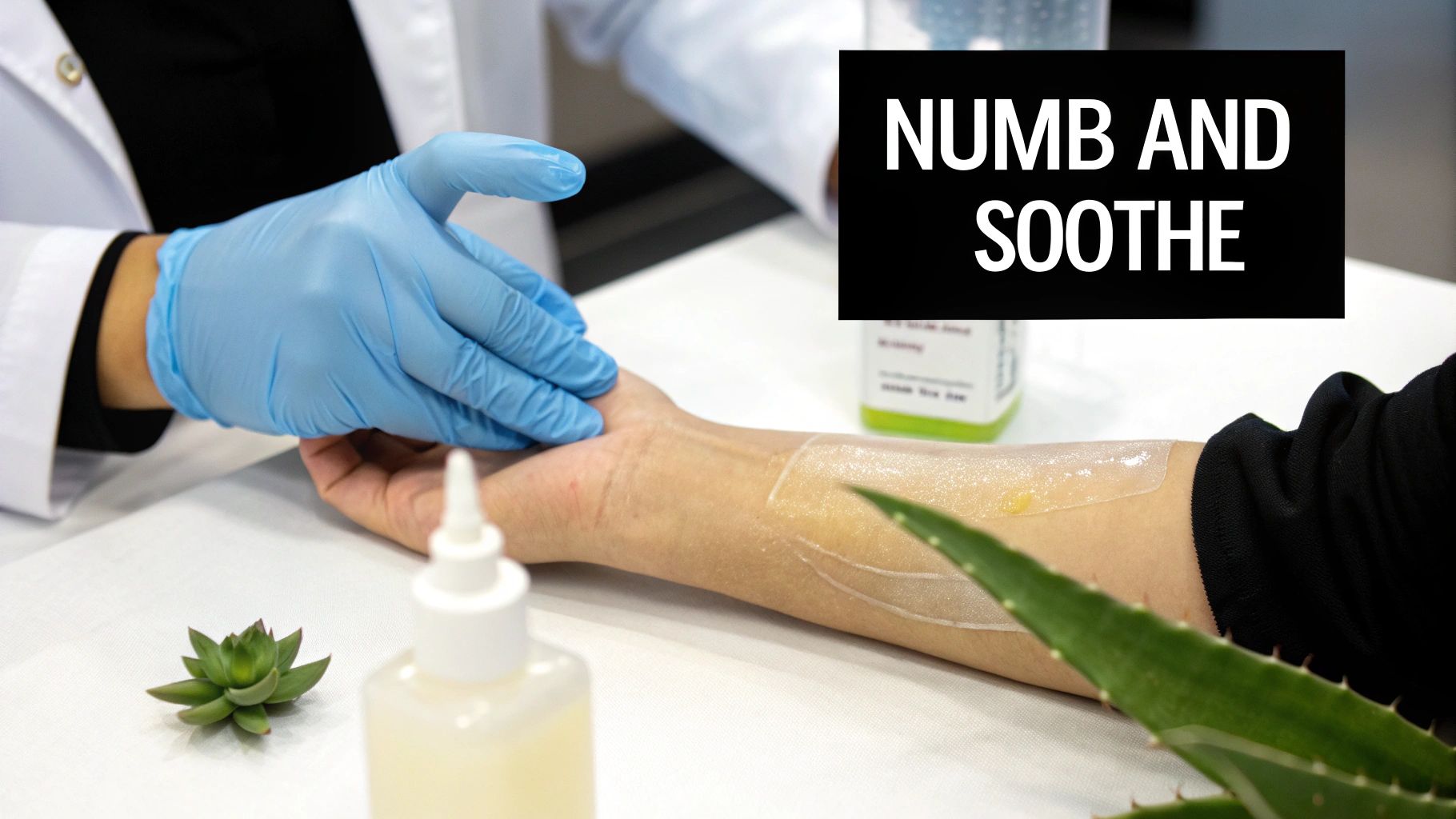
When it comes to managing pain, clinicians and their patients are looking for more than just a quick fix that masks symptoms. They need something that tackles both the immediate discomfort and the irritation that comes with it. This is where the smart combination of lidocaine and aloe vera really shines, going beyond simple pain relief to offer a much more complete therapeutic effect.
Think of it like a highly effective two-person team responding to an injury. Lidocaine is the first responder, arriving on the scene to get the situation under control fast. It acts as a gatekeeper for pain, temporarily blocking nerve pathways so the "pain alarm" never gets the chance to reach the brain. This delivers targeted, rapid relief exactly where you need it.
At the same time, aloe vera acts as the support unit, focused on calming the area down and creating the perfect environment for recovery. It's a natural calming agent known for reducing inflammation, soothing irritated tissue, and giving the skin a deep dose of hydration. This is key for preventing the dryness that some topical products can cause, promoting better tissue health overall.
Why This Combination Is a Clinical Staple
The synergy between these two ingredients creates a product that's both powerful and gentle. For clinicians, that's a huge plus. It means they can offer patients effective pain management without worrying about compromising skin integrity, which is especially important for anyone with chronic conditions who needs to apply topicals frequently.
The benefits are clear and cover all the bases:
- Rapid Numbing Action: Lidocaine gets to work quickly, interrupting pain signals for immediate relief from muscle soreness, achy joints, and nerve-related pain.
- Anti-Inflammatory Support: Aloe vera contains a compound called aloin, which helps dial down the redness and swelling that go hand-in-hand with tissue damage.
- Enhanced Skin Health: The incredible moisturizing properties of aloe vera protect the skin’s natural barrier, preventing irritation and keeping it properly hydrated.
- Comprehensive Relief: The formula tackles pain from multiple angles—blocking nerve signals while actively soothing the affected tissue.
By bringing together a potent anaesthetic with a trusted natural healer, formulations of lidocaine with aloe vera provide a more thoughtful and effective approach to topical pain management. It’s a science-backed partnership that delivers reliable results in professional settings.
This combination is why these products have become a go-to choice for physiotherapists, athletes, and anyone needing dependable relief from an acute injury or chronic discomfort. The science is straightforward: numb the pain, then soothe the tissue. It's this dual-action power that sets it apart from single-ingredient formulas, offering a more complete path to feeling and moving better.
How Lidocaine Interrupts Pain Signals at the Source
To really get why a product that blends lidocaine with aloe vera works so well, you first have to understand what the main numbing agent is actually doing. The way lidocaine works is a pretty neat bit of cellular biology. It acts with surgical precision to silence pain right where it starts—less like a blanket muffling a sound and more like flicking a switch to cut the power completely.
Think of your nervous system as a massive, complex electrical grid. Your nerve cells are the wires, and they carry pain messages from an injury all the way to your brain using electrical impulses. For these signals to travel, tiny gateways along the nerve fibre, known as sodium channels, have to open and close in a very specific order. This lets sodium ions flood into the nerve cell, creating the electrical charge that pushes the message along.
This is where lidocaine comes in. It's what's known as a sodium channel blocker. When you apply it to your skin, it sinks in and gets to work on these nerve fibres directly. It essentially puts a lock on those sodium channels, stopping them from opening.
Without that rush of sodium ions, the electrical impulse can't get started. The pain message is stopped dead in its tracks, unable to even begin its journey to the brain. Your brain never gets the "ouch" signal, and what you feel instead is localized numbness and some serious relief.
This targeted approach is a huge advantage over systemic painkillers that have to travel through your entire body. Lidocaine gets the job done right where you put it, which dramatically lowers the risk of widespread side effects. To learn more about this whole process, check out our guide on how pain is processed by the brain.
Understanding Over-the-Counter Potency
Regulatory bodies like Health Canada and the FDA have set clear guidelines for how much lidocaine can be in a product you buy without a prescription. Over-the-counter (OTC) topical products can contain up to 4% lidocaine. This concentration has been found to be both safe and incredibly effective for public use, as long as it's used as directed.
A 4% concentration packs enough numbing power for a whole host of conditions, making it a go-to in many clinics and medicine cabinets. It's potent enough to handle:
- Acute Injuries: Think sprains, strains, and minor burns where you need that pain relief now.
- Chronic Conditions: For the nagging, persistent ache of things like arthritis, bursitis, or chronic back pain.
- Procedural Discomfort: It’s often used in physiotherapy and sports medicine to take the edge off during manual therapy or rehab exercises.
Having this level of strength available without a prescription gives people a powerful and convenient tool to manage their own pain.
The demand for reliable pain relief is skyrocketing. The lidocaine ointment market in Canada, for example, is leading North American growth, thanks to a rising need for effective pain management in both clinical settings and cosmetic procedures. The entire North American lidocaine market was valued at USD 803.59 million and is expected to more than double by 2033—a clear sign of the trust people put in this ingredient. You can dig into more details about this market growth on StraitsResearch.com. When you combine lidocaine’s numbing skill with the soothing properties of aloe vera, you get an even more effective formula for tackling both sudden and long-term pain.
Aloe Vera: Nature's Soothing and Delivery Sidekick
Most of us reach for aloe vera after a bit too much sun, but its role in modern pain relief formulas goes way beyond soothing a simple sunburn. When you see lidocaine with aloe vera on a label, the aloe isn't just there to feel nice—it's a multi-tasking powerhouse that actively boosts the product's overall performance. It works hand-in-hand with lidocaine to create a more complete and effective treatment.
While lidocaine gets to work blocking pain signals, aloe vera steps in to manage the fallout from tissue damage, like inflammation and redness. It's loaded with natural compounds that make it the perfect partner for any topical analgesic.
More Than Just a Sunburn Soother
The gel from the aloe vera plant contains a potent bioactive compound called aloin, which has well-documented anti-inflammatory properties. When you apply it to the skin, it helps calm the swelling and irritation that comes with muscle strains, joint pain, or other injuries. It doesn't just feel good; it's actively helping to soothe the distressed tissue.
Another vital role aloe vera plays is as a serious hydrator. Topical pain relievers can sometimes dry out the skin, which is a real concern for anyone using them repeatedly for chronic issues. Aloe vera prevents this by locking in moisture and reinforcing the skin's natural barrier, keeping it healthy and resilient. For clinicians, this is a huge plus when recommending products for long-term use.
Here’s a look at how lidocaine, the primary active ingredient, intercepts pain signals before they can even register in the brain.
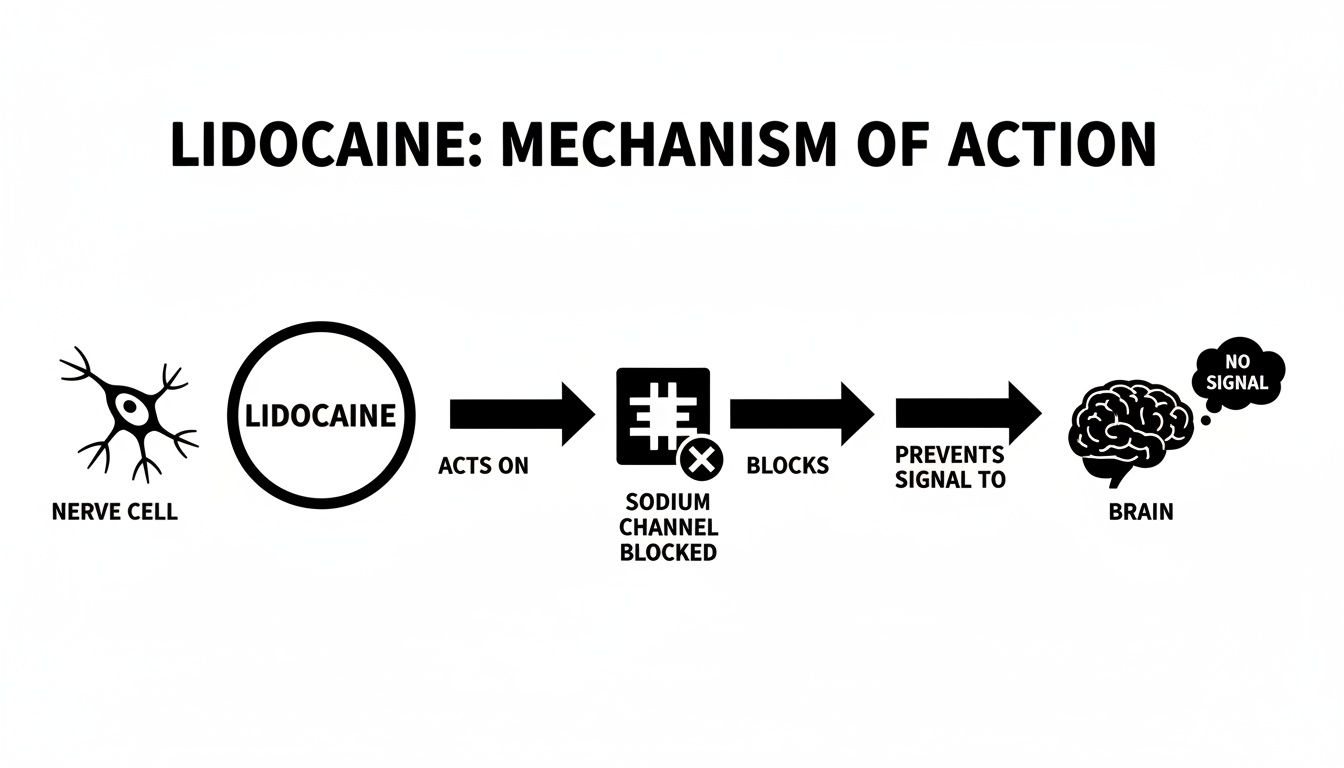
This diagram shows lidocaine's direct line of attack on pain. Meanwhile, aloe vera works alongside it to soothe the area and make the whole formula work better.
A Natural Delivery Booster
Perhaps one of the most underrated benefits of aloe vera is its ability to act as a natural penetration enhancer. Think of your skin's outer layer (the stratum corneum) as a brick wall built to keep intruders out. For a topical ingredient to work, it needs a way to get past that wall.
Aloe vera contains natural compounds called saponins. These clever glycosides essentially act as a delivery service, helping to carry other active ingredients—like lidocaine—more efficiently through that protective outer layer. This ensures more of the anaesthetic actually reaches the nerve endings where it needs to be.
By improving the delivery of lidocaine, aloe vera helps make the entire formulation more efficient. It’s not just providing its own soothing benefits; it’s also helping the primary pain-blocker work better.
This team effort is a fantastic example of how pairing a modern pharmaceutical agent with a trusted botanical can create a superior product. It’s especially relevant today, as more people are looking for clean, plant-based ingredients that deliver real therapeutic results. To see these principles in action, you can learn more about how MEDISTIK works with treatments to reduce discomfort.
The Demand for Natural Ingredients is Skyrocketing
This shift toward natural solutions isn't just a fleeting trend; it's a major change in consumer behaviour. The aloe vera market in Canada is absolutely booming—in fact, it's the fastest-growing segment in North America, projected to climb at a strong 8.5% CAGR from 2025 to 2033.
What’s driving this? Canadians are increasingly seeking out natural skincare. Health Canada data shows that over 45% of consumers now make it a priority to choose organic, chemical-free personal care products.
Including aloe vera in a lidocaine product directly meets this demand. It offers a formula that is both powerful and perfectly aligned with patient preferences for cleaner, more natural ingredients. This combination gives clinicians and their patients a distinct advantage: effective, science-backed relief without unnecessary chemicals. At the end of the day, the partnership between lidocaine and aloe vera creates a more holistic and intelligent approach to managing pain.
Clinical Applications and Ideal Use Cases
The real power of combining lidocaine with aloe vera isn’t just theoretical—you can see it in action across a huge range of real-world situations. This formula isn't a one-trick pony for a single type of pain. Its versatility makes it a go-to tool for everyone, from elite athletes and healthcare professionals to people working physically demanding jobs.
By both numbing pain and soothing tissue, it tackles different needs, whether you're prepping for activity or in the middle of recovery.
For athletes, this dual action is a total game-changer. Applying it before a big game or a tough workout can help prime the muscles, taking the edge off the discomfort that might otherwise hold you back. It gives athletes the confidence to push their limits, knowing minor aches and pains won't get in the way.
Afterward, it’s a crucial part of the recovery toolkit. The combination helps manage that familiar delayed onset muscle soreness (DOMS) by hitting both the pain and the inflammation. This helps athletes bounce back faster and get ready for their next training session.
Enhancing Treatment in Clinical Settings
In a professional setting, clinicians are always looking for ways to make treatments more comfortable and effective for their patients. Physiotherapists, chiropractors, and massage therapists often turn to topical lidocaine with aloe vera to complement their hands-on work. Applying it before a session helps relax tight muscles, making the therapeutic work more effective and a lot less painful for the patient.
This approach doesn't just improve the in-clinic treatment; it also gives patients a powerful tool for home care. For chronic issues like arthritis, bursitis, or nagging lower back pain, a reliable topical provides essential day-to-day relief between appointments.
Clinicians can recommend it without hesitation, knowing the aloe vera helps protect the skin, even with frequent use. This makes it a great long-term option for pain management, which in turn helps patients stick to their treatment plan and feel better overall. For more specialized uses in skin care and localized pain relief, looking into dermatology clinic applications can offer even more specific insights.
Supporting Active Individuals and Labourers
This isn't just for the clinic or the sports field. The combination brings much-needed relief to people in physically tough jobs. Think construction workers, nurses, warehouse staff, and first responders—they all deal with constant muscle and joint strain. For them, fast and dependable pain relief isn't a luxury; it's what keeps them on the job and helps prevent chronic injuries.
The easy-to-use formats, like sprays or sticks, make it practical to apply on the go during a busy shift. It allows them to target pain right where it hurts, manage discomfort, and keep doing their jobs safely and effectively.
A Proven Solution for Acute Care
This powerful pairing of numbing and soothing agents is also invaluable in acute care, especially for managing burns. In Canada, the strength of the North American burn gel and dressing market—valued at USD 894.66 million—highlights its importance.
Hospitals and clinics love these combination products for their bioactive benefits. Aloe vera’s well-known wound-healing and anti-inflammatory properties work perfectly with lidocaine’s numbing effect to ease the intense pain from burns, bad sprains, or severe overexertion. This makes it a top choice for athletes, military personnel, and labourers who need immediate, effective care. You can dive deeper into these findings on MarketResearch.com.
At the end of the day, the wide range of uses for lidocaine with aloe vera shows just how unique it is in the world of topical pain relief. It truly bridges the gap between simply masking pain and actively caring for the tissue, offering a more complete and effective solution for all kinds of needs.
Choosing a High-Quality Formulation for Your Clinic
For any healthcare professional, picking a topical analgesic is about more than just a quick glance at the active ingredients. Let's be honest, not all lidocaine with aloe vera formulations are created equal. Knowing the difference between a mass-market product and a true professional-grade solution comes down to a careful eye for detail—the kind of detail that ensures the product you recommend actually delivers consistent, reliable results and builds that crucial patient trust.
Making an informed choice means you have to evaluate the entire package. We're talking about everything from regulatory approvals and ingredient quality to the feel of the formulation and how it's applied. Every single one of these elements plays a vital role in patient outcomes, their willingness to stick with the treatment, and their overall satisfaction.
Regulatory Approval and Ingredient Purity
The very first checkpoint for any clinical product should be its regulatory standing. Here in Canada, you want to look for products that are officially approved by Health Canada. This isn't just a rubber stamp; it means the product has been properly reviewed for safety, efficacy, and quality, meeting the country's tough standards. For professional use, this is a non-negotiable benchmark.
Once you've confirmed it's approved, dig a little deeper into the sourcing and purity of the ingredients. A high-quality formulation will always prioritize clean, effective components and steer clear of unnecessary additives that could just end up causing skin irritation.
Here are a few key factors to scrutinize:
- Absence of Parabens and Fillers: Extra chemicals can compromise skin health, which is a real concern for patients using a product repeatedly for chronic conditions.
- Source of Aloe Vera: Is the aloe vera sourced for its purity and potency? You want it to maximize those soothing and anti-inflammatory benefits.
- Manufacturing Standards: Products made in certified facilities follow strict quality control, which guarantees you're getting the same consistent product, batch after batch.
A professional-grade formulation is defined just as much by what it includes as what it leaves out. Clean, potent ingredients backed by solid regulatory approval provide a foundation of trust and efficacy that both you and your patients can depend on.
For a deeper dive into the science behind what makes an effective formulation, exploring resources like the MEDISTIK science page can give you some valuable insights into ingredient synergy and product development.
The Impact of Application Format
How a topical analgesic is delivered can make a huge difference in its practicality and effectiveness. The choice between a cream, spray, roll-on, or solid stick can genuinely determine how well a patient sticks to their treatment plan and how effectively the product hits the right spot. When choosing a product for your clinic, it helps to consider the pros and cons of different forms, much like when understanding the differences between hemorrhoidal ointment vs cream, as the base itself affects absorption and the user experience.
Different formats are simply better suited for different clinical needs:
- Sprays: These are ideal for covering large or awkward-to-reach areas like the back or shoulders. They offer a touch-free application, which is great for hygiene and for applying over spots that are too tender to touch.
- Roll-Ons: They provide a nice cooling sensation as the liquid goes on, combining a bit of cryotherapy with the active ingredients. This format is fantastic for massaging into joints like knees and elbows.
- Solid Sticks: This is your mess-free, hands-clean option that lets the user apply targeted pressure during use. It's perfect for getting into deep muscle knots and trigger points, as the stick itself becomes a handy massage tool.
Ultimately, offering a variety of formats allows you to tailor your recommendations to each patient's specific condition, their lifestyle, and what they personally prefer. That simple step can dramatically improve their overall experience and how well they comply with treatment.
For clinicians, systematically evaluating these products is key. The checklist below can serve as a practical guide to ensure you're choosing the best possible options for your patients.
Topical Analgesic Product Evaluation Checklist
| Evaluation Criterion | Key Considerations | Why It Matters for Patient Outcomes |
|---|---|---|
| Regulatory Status | Is the product approved by Health Canada? Does it have a Drug Identification Number (DIN)? | Ensures the product has met national standards for safety, efficacy, and quality, protecting both the patient and your practice. |
| Active Ingredients | What is the concentration of lidocaine? Are other synergistic ingredients (e.g., menthol, MSM) included? | The right concentration and combination of ingredients determine the product's effectiveness for specific types of pain. |
| Inactive Ingredients (Excipients) | Are there parabens, harsh chemicals, or common allergens? Is the aloe vera high-purity? | Clean formulations reduce the risk of skin irritation and adverse reactions, improving patient tolerance and long-term compliance. |
| Application Format | Is it a spray, roll-on, cream, or stick? Is it easy for the patient to apply to the target area? | The right format improves adherence. An easy-to-use product is more likely to be used correctly and consistently. |
| Manufacturing Quality | Is the product manufactured in a GMP (Good Manufacturing Practices) certified facility? | Guarantees product consistency, purity, and potency from one batch to the next, ensuring reliable results for every patient. |
| Clinical Evidence & Support | Does the manufacturer provide any clinical data or evidence to support their claims? | Evidence-backed products give you more confidence in your recommendations and help set realistic expectations for patients. |
Using a structured approach like this helps cut through the marketing noise. It allows you to focus on the factors that directly contribute to effective pain management and positive patient experiences, reinforcing your role as a trusted healthcare advisor.
Proper Application Techniques and Safety Protocols
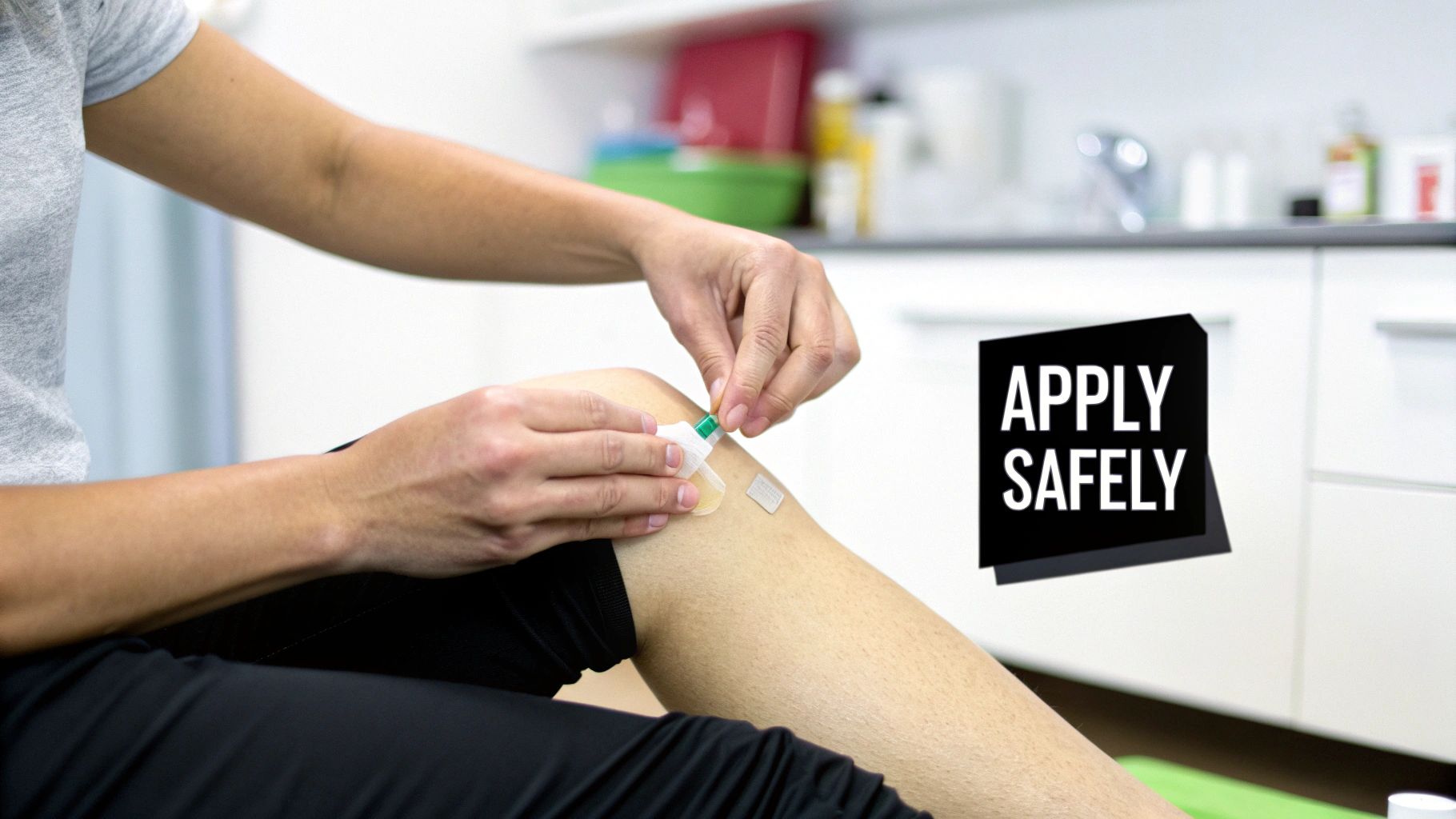
To really get the most out of a high-quality lidocaine with aloe vera product, how you apply it is just as important as what's inside. Using the right technique ensures the active ingredients can actually get where they need to go for maximum relief. At the same time, following a few key safety rules is essential to prevent any unwanted side effects.
Think of it as setting the stage for pain relief. The product needs a clean, clear path to the source of the pain to do its job properly. This isn't just a friendly suggestion; it's a critical step that directly impacts how well the product works and upholds the standard of care we expect in a clinical setting.
Before you do anything else, make sure the skin is clean and dry. Any sweat, dirt, or other lotions can act as a barrier, preventing the lidocaine and aloe from absorbing effectively. This one simple prep step can make a huge difference in how quickly and deeply you feel the relief.
A Step-by-Step Guide to Application
Applying these products is pretty straightforward, but a little attention to detail goes a long way. The aim is to cover the sore spot with a thin, even layer—you don't want to overdo it, as that can increase the risk of the lidocaine getting into your system.
- Prep the Area: Gently wash the target spot with some mild soap and water, then pat it completely dry.
- Apply a Thin Layer: Whether you're using a spray, stick, or roll-on, apply a consistent, thin layer right onto the site of the pain. No need to rub it in aggressively; just let it absorb on its own.
- Wash Your Hands: After you're done (unless you used a no-touch format like a stick), give your hands a good wash to avoid accidentally getting the product in your eyes or mouth.
- Let It Absorb: Give it a few minutes to soak in completely before you cover the area with clothes or a bandage.
Quick reminder: more isn't better here. Piling on extra product won't make it work faster or stronger, but it can increase the risk of side effects. Stick to the recommended dose for the best—and safest—results.
Critical Safety Protocols to Follow
While topical lidocaine with aloe vera is safe for most people when used correctly, there are a few non-negotiables to prevent any problems. As clinicians, it's our job to make sure patients understand these rules for responsible use at home.
The number one rule is to never apply the product to broken, irritated, or damaged skin. That includes any cuts, scrapes, rashes, or even bad sunburns. Putting lidocaine on compromised skin can cause too much of it to be absorbed into the bloodstream, which could lead to systemic side effects.
You'll also want to keep the product away from any sensitive spots. Be careful to avoid contact with:
- Eyes
- Mouth and inside the nose
- Other mucous membranes
If you accidentally get it somewhere it shouldn't be, just rinse the area right away with plenty of cool water.
Finally, pay attention to the product's specific instructions on how often you can use it. Most will advise limiting application to three or four times within a 24-hour period. Following these simple protocols allows people to manage their pain with confidence and peace of mind.
Frequently Asked Questions
When you're looking at lidocaine with aloe vera, it's natural for questions to pop up. Whether you're a clinician recommending a product or a patient seeking relief, getting clear, straightforward answers is crucial for using it confidently and effectively. Here are some of the most common queries we see.
How Fast Does It Work and How Long Does Relief Last?
One of the best things about a topical combo of lidocaine and aloe vera is how quickly it gets to work. Most people start feeling the numbing effect from the lidocaine within 5 to 15 minutes after putting it on. At the same time, the aloe vera kicks in right away to calm the skin on contact.
As for how long it lasts, that can differ from person to person and depends on what you're treating. Generally, though, you can expect a single application to give you targeted relief for several hours. This makes it a great option for getting through a tough workday or a long athletic event without having to constantly reapply.
Can I Use This Product with Ice or Heat Packs?
That's a common question, and it's an important one. Combining topicals with other pain relief methods needs to be done carefully.
Using a cold pack is usually okay, but only after the product has fully absorbed into your skin. The cold can actually complement the anti-inflammatory action of the aloe vera, helping to bring down swelling and discomfort even more.
Important Safety Note: You should never put a heat pack over an area where you've applied lidocaine. Heat boosts circulation to the skin, which can make your body absorb the lidocaine way too fast. This increases the risk of systemic side effects and is something you should always avoid. When in doubt, have a chat with a healthcare professional before mixing therapies.
Is Daily Use Safe for Chronic Pain?
For anyone dealing with chronic conditions like arthritis or nagging muscle soreness, this is a top concern. The good news is that when used as directed, over-the-counter formulas containing lidocaine with aloe vera are generally considered safe for daily application.
The key is to follow the instructions on the label to the letter. Stick to the maximum number of applications recommended per day, and never put it on broken or irritated skin. Having aloe vera in the mix is a real plus for frequent users, as it helps keep the skin healthy and prevents the dryness that some other topicals can cause.
What Is the Best Application Format?
Choosing between a spray, stick, or roll-on really comes down to what you prefer and where you need to apply it. Each format has its own perks:
- Spray: Perfect for covering large or hard-to-reach spots like your back and shoulders. It’s a convenient, no-mess, no-touch application.
- Stick: Gives you mess-free, targeted relief. The solid format lets you apply direct pressure to muscle knots for a bit of a massage effect.
- Roll-On: Delivers a cooling liquid formula that’s super easy to apply to joints like knees and elbows without getting any on your hands.
At the end of the day, the best format is the one that fits your needs and makes it easy for you to use it consistently.
Experience the powerful, dual-action relief of a professional-grade formulation. MEDISTIK offers Health Canada-approved solutions that combine potent pain-blockers with soothing, natural ingredients to help you move with confidence. Find the right product for your needs at MEDISTIK.


